The temporary restriction on Telegram in India ahead of the NEET-UG re-examination scheduled for June 21 has triggered a political controversy, with opposition leaders Rahul Gandhi and Arvind Kejriwal questioning the government’s decision. Both leaders argued that blocking a social media platform would not effectively address the root cause of paper leaks and instead inconvenience millions of students who use Telegram for study materials, discussions, and exam preparation.
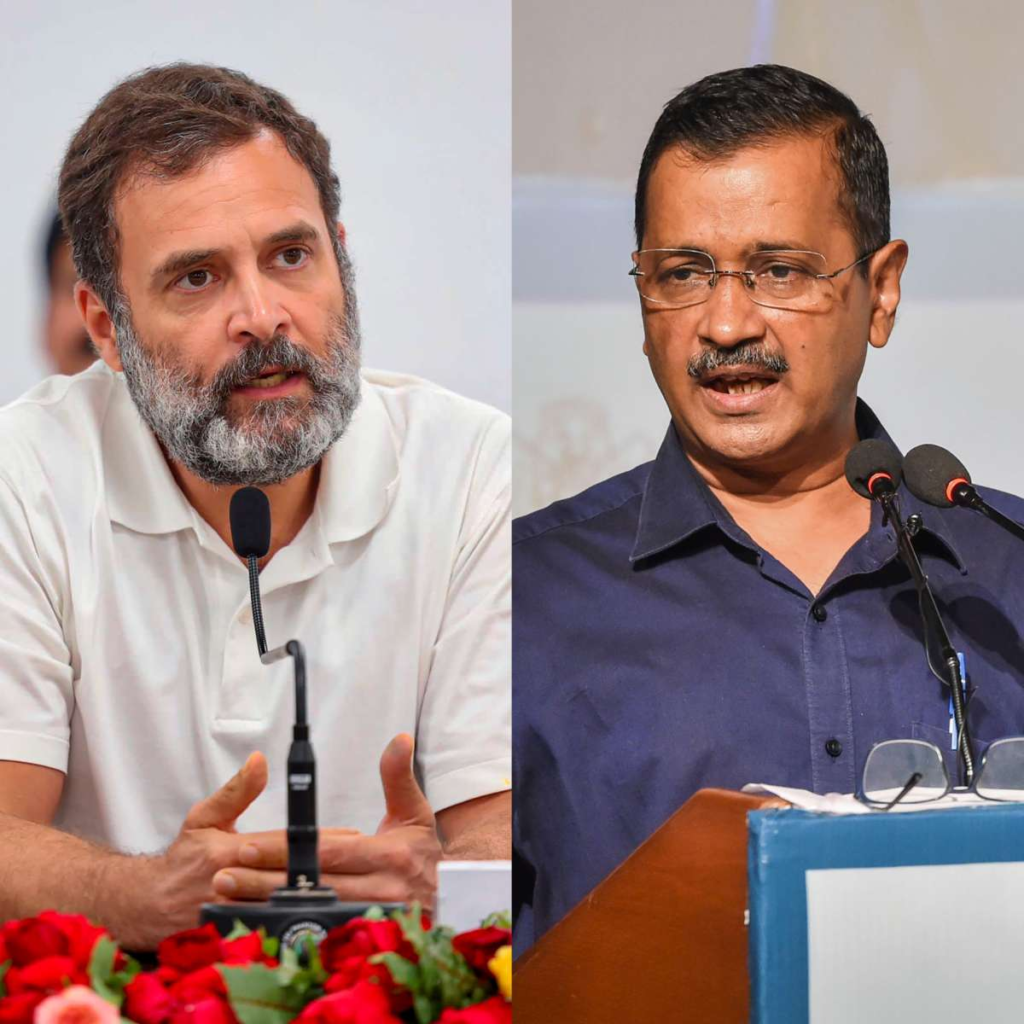
Congress MP Rahul Gandhi criticized the move, saying authorities were targeting students rather than the culprits behind exam fraud. In a post on X, he compared the decision to “locking the victim’s house instead of catching the thief” and urged the government to focus on dismantling the paper leak mafia. Former Delhi Chief Minister Arvind Kejriwal also slammed the measure, calling it “absurd” and alleging that paper leaks were part of a larger racket that could not be stopped through platform restrictions alone.
The National Testing Agency (NTA) defended the temporary restriction, stating that fraudsters were using Telegram to falsely claim access to leaked question papers and extort money from anxious candidates and parents. NTA Director General Abhishek Singh said the agency was taking all possible steps to ensure a fair examination process. Meanwhile, Telegram has approached the Delhi High Court challenging the temporary block, and the matter is expected to be heard soon.